Study Summary: Sensor Technology Impact on Length of Stay (TigerPlace, University of Missouri)
Older adults with passive sensors at TigerPlace lived 1.7 years longer at home (4.3 vs. 2.6 years) compared to those without sensors. The system flagged health changes early, allowing nurses to intervene sooner, which reduced hospitalizations and saved up to $87,000 per person in potential costs.
Conclusion: Passive monitoring with nurse oversight helps seniors stay independent longer, improves outcomes, and lowers costs.
Clinical Outcomes of Passive Sensors in Remote Monitoring (2025, Sensors journal)
This review looked at studies using passive sensors (like motion and activity monitors) for older adults with chronic conditions. It found that sensors can spot early signs of health decline, help prevent complications, and support faster interventions. The technology was linked to fewer hospital visits, better daily monitoring, and more independence at home.
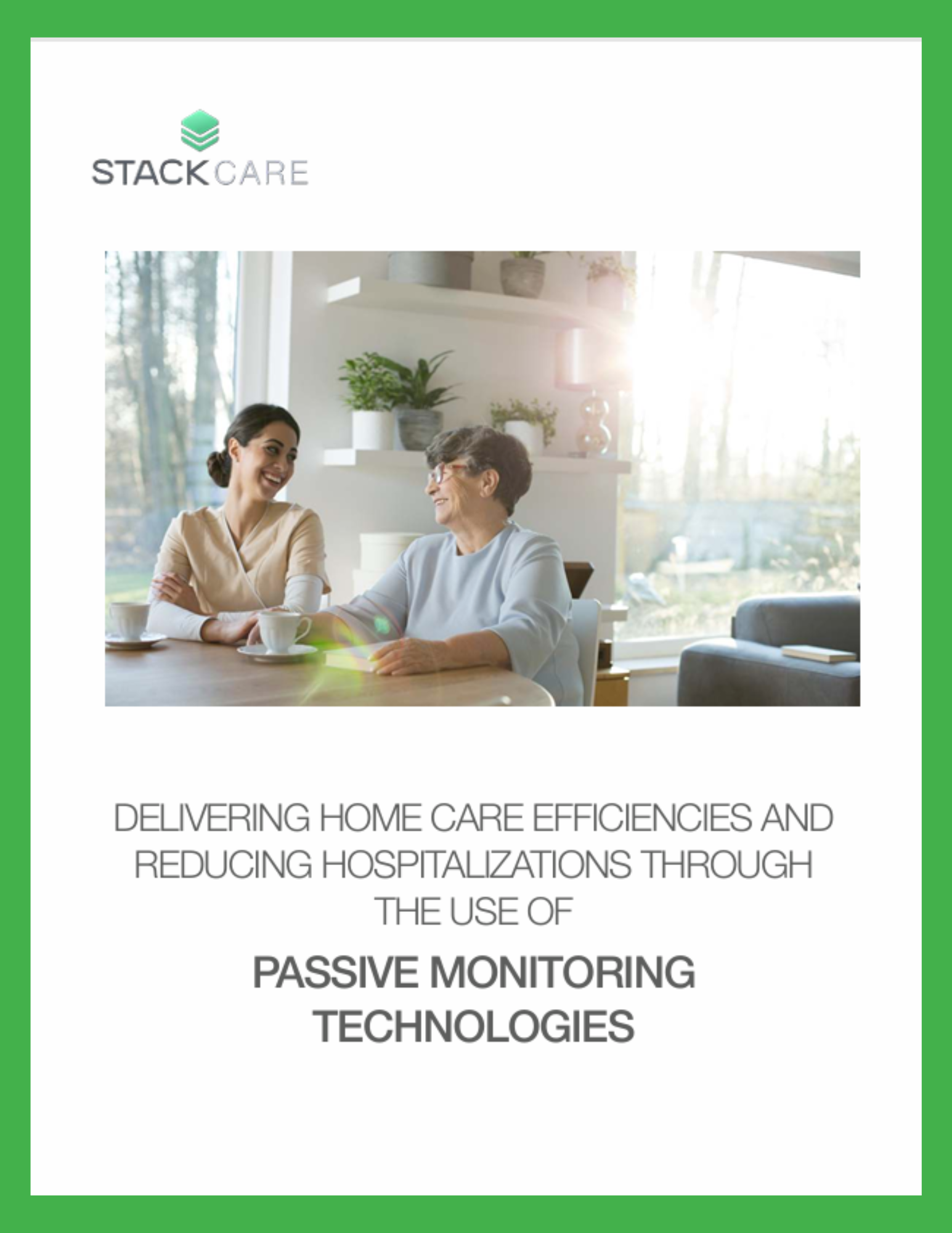
White Paper on StackCare
This study shows how passive monitoring like StackCare helps seniors stay safer and healthier at home. By spotting changes in daily routines early — like sleep, bathroom use, or kitchen activity — caregivers can act before problems become emergencies. Results include fewer hospital visits, lower healthcare costs (average savings $425 per month), and longer independence at home (up to 1.7 years more). Families and care teams also benefit from easier decision-making and peace of mind
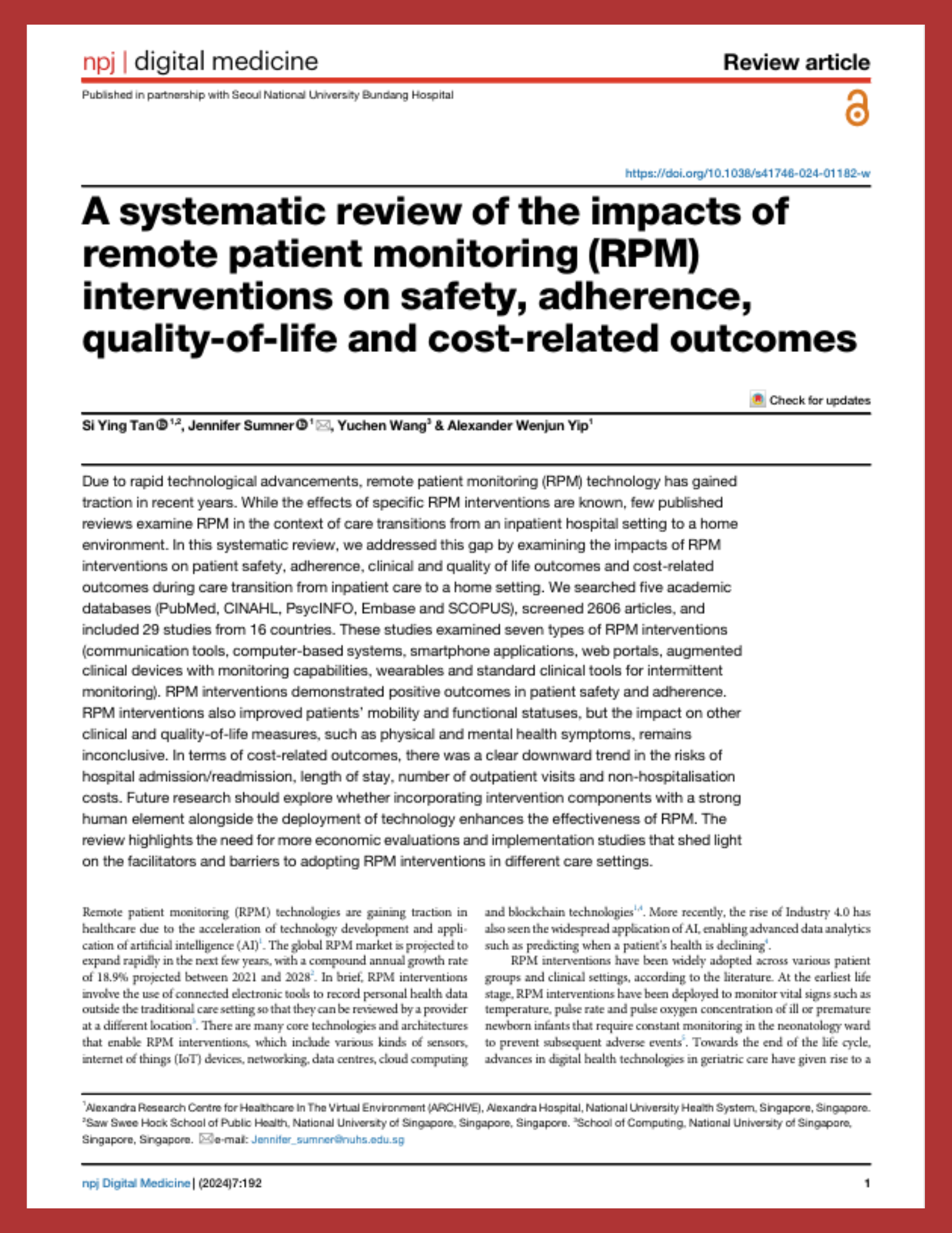
Systematic Review of RPM (Remote Patient Monitoring) Interventions
This review looked at many studies on remote patient monitoring (RPM). It found that RPM helps people stay safer, follow care plans better, and avoid hospital visits. Results showed fewer readmissions, shorter hospital stays, and lower costs. Overall, RPM helps older adults stay healthier at home.
EPOCA Remote Patient Monitoring Study (2025, JMIR):
Synopsis:
This study tested a remote patient monitoring (RPM) system for older adults with multiple health issues. It found that using sensors and daily monitoring reduced unplanned hospital stays and ER visits. The system helped doctors and families spot problems earlier, manage care better, and keep seniors safer at home.